The 2026 Cannabis State of the Union: Data, Activism, and the Rise of the Boutique Online Shop
Every year, 4/20 tells you more about the real state of the market than any analyst deck or investor webinar. And in 2026, the spike wasn’t just bigger,it felt different. People weren’t chasing the loudest strain name or the cheapest eighth. They were asking about sourcing, freshness, and whether the brand behind the jar actually stood for something. That shift has been brewing for a while, but this year it finally broke through, shaping what many of us on the ground recognize as the new face of 2026 cannabis industry trends. From my vantage point at Moonrock Online Shop, the energy is equal parts chaotic and promising, like the early days of legalization but with a more informed consumer base pushing the industry forward.
How 2026 Cannabis Industry Trends Are Playing Out in Real Time
If you’ve been in this space long enough, you know the market never moves in a straight line. But the way customers behave in 2026 is unlike anything I’ve seen. They’re not just browsing—they’re interrogating. They want to know who grew it, how it was handled, and why it costs what it costs. This is where 2026 cannabis industry trends stop being abstract and start shaping daily operations.
One of the biggest shifts is the move away from blind loyalty to big-name brands. People are tired of paying premium prices for mid-tier quality wrapped in flashy packaging. They’re gravitating toward shops that actually talk to them, not at them. I’ve watched customers spend ten minutes comparing terpene profiles and then ask if the grower uses living soil seriously. That’s not a niche behavior anymore; it’s becoming the norm.
Another thing I’ve noticed is how quickly misinformation spreads. A single viral post can send people hunting for a product that doesn’t even exist in their state. Navigating that chaos is part of the job now. But it also means operators who stay grounded, transparent, and consistent are earning long-term trust. That’s the real currency in this era of 2026 cannabis industry trends, and it’s reshaping how we build relationships with our community.
The Reality Behind THCA Market Growth
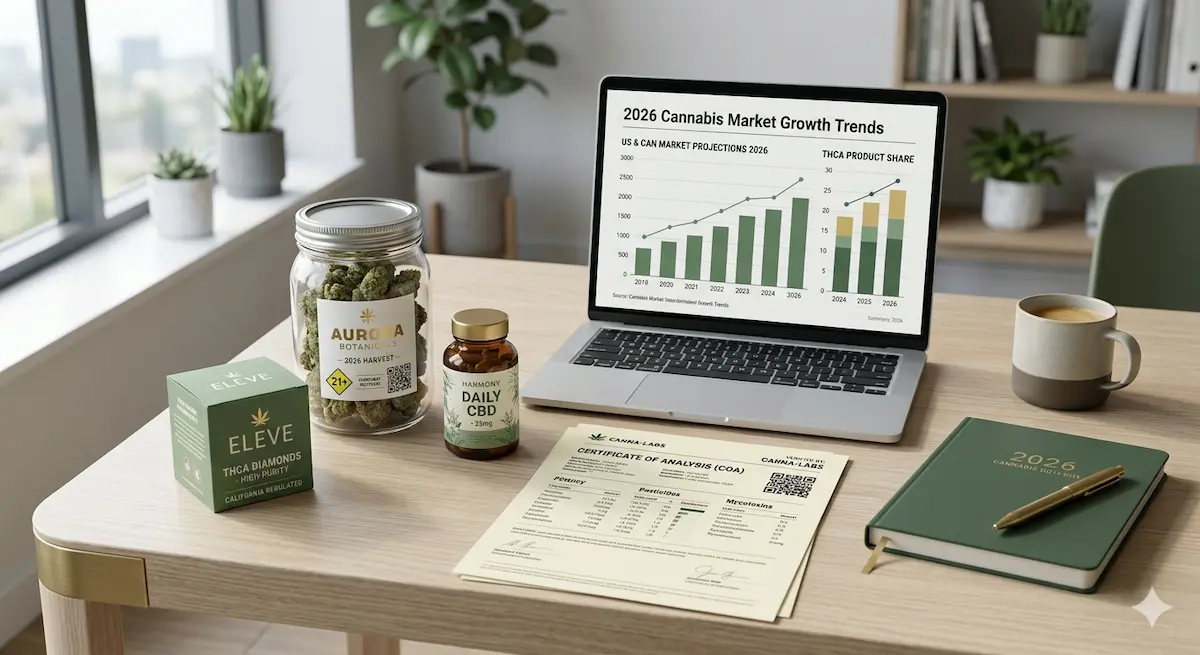
If there’s one topic that dominated customer conversations this year, it’s THCA. The curiosity is real, and the demand is climbing fast. You can feel the THCA market growth every time someone messages us asking about the difference between THCA flower and traditional options. People want to understand what they’re buying, and they’re no longer satisfied with vague explanations.
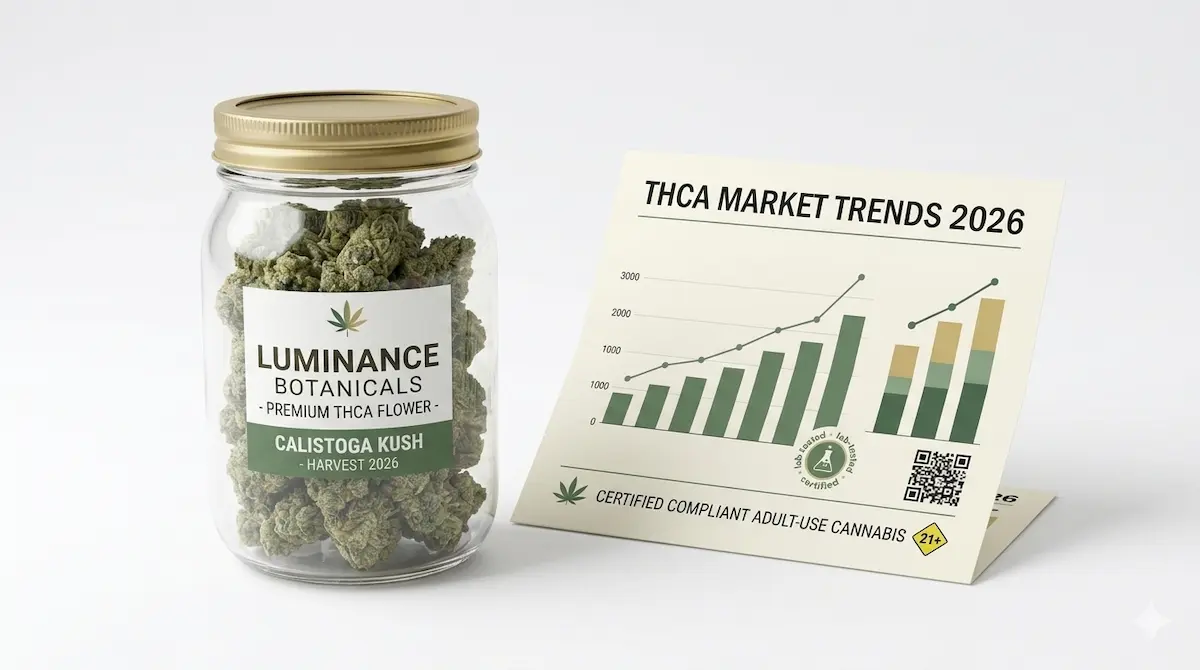
The rise of THCA has forced operators to rethink sourcing. You can’t just grab whatever is available and hope it sells. Consumers want to know how the flower was grown, how it was stored, and whether the trichomes are intact. That level of scrutiny is a direct result of THCA market growth, and honestly, it’s pushing the industry to be better.
At Moonrock Online Shop, we’ve had to spend more time educating customers about what THCA is—and what it isn’t. Not in a medical sense, but in a practical, real-world way. People want to know how it fits into their routine, how it compares to what they’re used to, and why some batches look wildly different from others. That’s where transparency becomes essential. When you’re dealing with a category experiencing rapid THCA market growth, you can’t hide behind marketing language. You have to show your work.
Why CBD Capsule Dosing Became a Daily Conversation
CBD isn’t new, but the way people use it in 2026 absolutely is. The biggest change I’ve seen is the move toward routine-based consumption. Customers aren’t experimenting anymore, they’re planning. They want consistency, predictability, and a product they can integrate into their daily life without guesswork. That’s why CBD capsule dosing has become one of the most common topics we discuss with customers.
People want to understand how to build a routine that makes sense for them. They’re not looking for miracle claims; they’re looking for stability. And capsules offer that in a way, tinctures and edibles sometimes don’t. The conversation around CBD capsule dosing is less about effects and more about structure. Customers want to know how others incorporate capsules into their morning or evening habits, and they want to avoid trial-and-error fatigue.
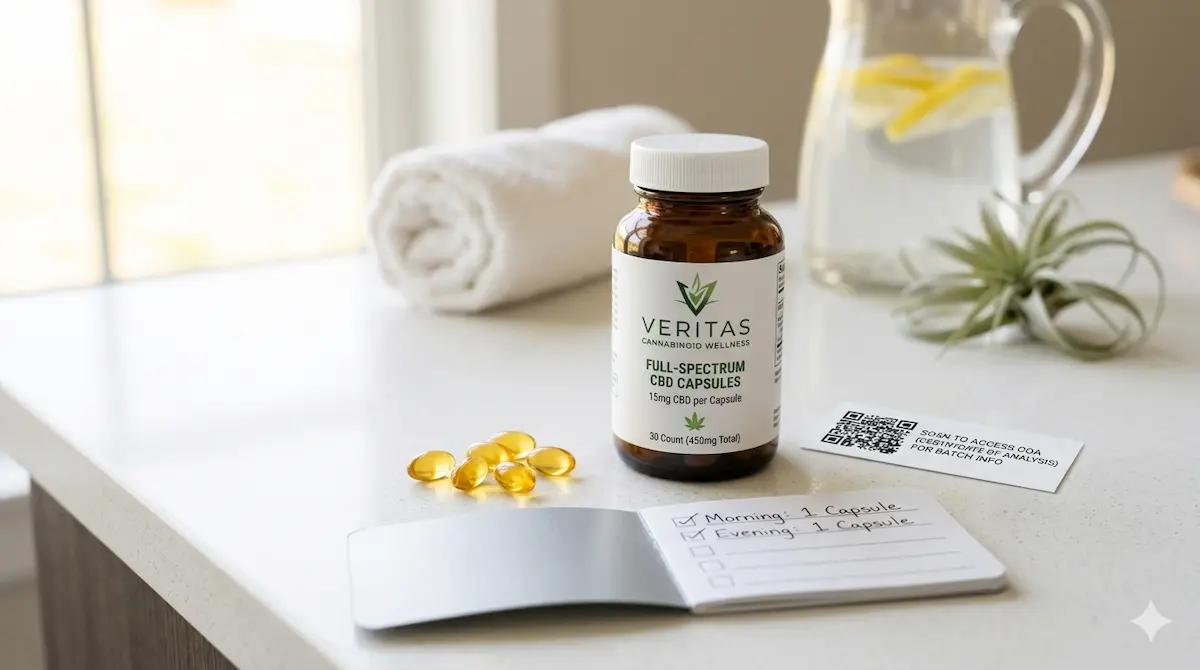
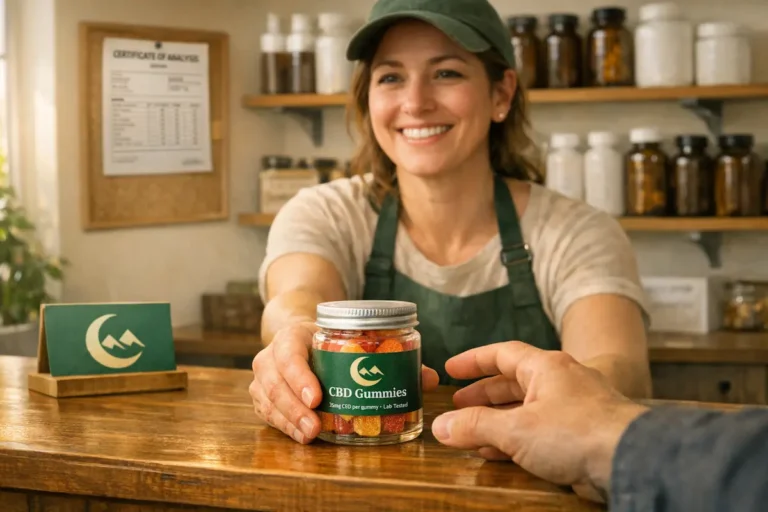
This shift has also changed how we stock products. We’ve had to prioritize brands that offer clear, transparent labeling. When someone asks about CBD capsule dosing, they’re really asking whether they can trust the product to be consistent from one batch to the next. That’s a fair question, and it’s one the industry has to take seriously if it wants to keep pace with evolving consumer expectations.
Why Cannabis Lab Testing COA Became Non-Negotiable
If there’s one thing that separates serious operators from everyone else, it’s how they handle transparency. In 2026, customers expect to see a cannabis lab testing COA before they even consider buying a product. And honestly, that’s how it should be. The days of vague claims and unverified numbers are over.
The demand for accessible COAs isn’t just about safety—it’s about respect. When someone asks for a cannabis lab testing COA, they’re telling you they care about what they’re putting into their body. They want to see potency, terpene breakdowns, and contaminant screenings. They want to know the product was handled responsibly from seed to shelf.
At Moonrock Online Shop, we’ve made COA access a core part of our workflow. Not because it’s trendy, but because it’s the only way to build trust in a market where misinformation spreads fast. When customers see a clear, easy-to-read cannabis lab testing COA, they feel confident in their purchase. And that confidence is what keeps them coming back.
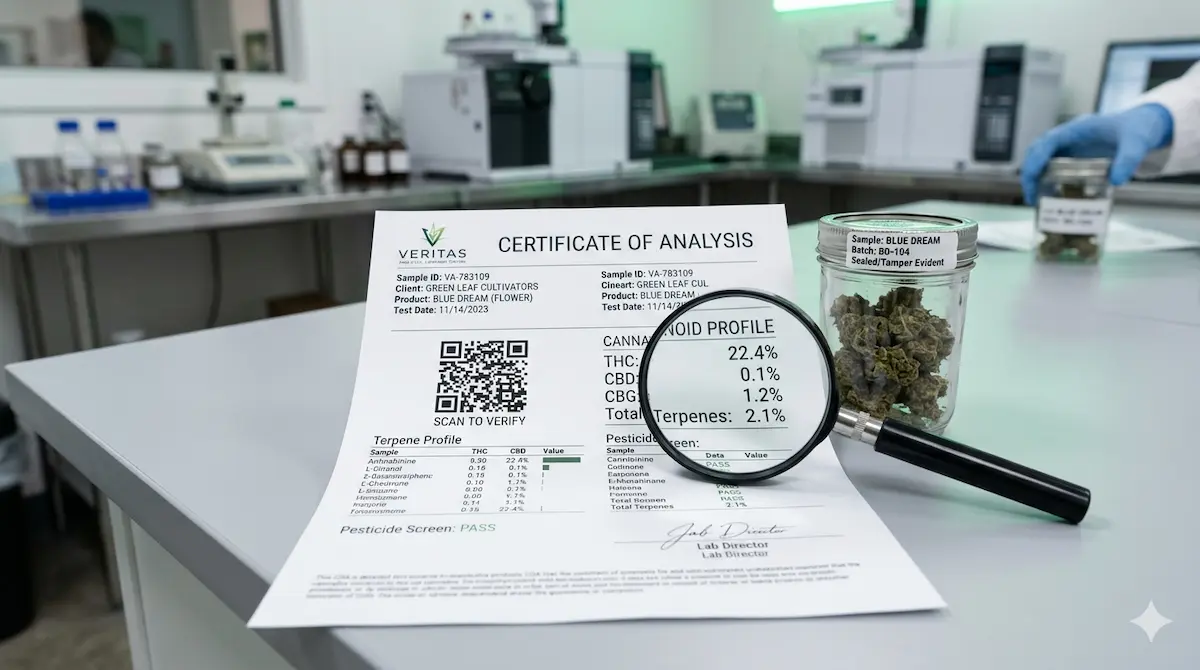
The industry is finally catching up to this expectation. Brands that hide or complicate COA access are losing ground. The ones that embrace transparency are becoming leaders, whether they intended to or not. That’s the new reality of 2026, and it’s a shift that’s long overdue.
Why Boutique Cannabis Brands Are Winning in 2026
If you want to understand where the culture is heading, look at the rise of boutique cannabis brands. These aren’t the giant corporations with multimillion-dollar marketing budgets. These are the growers, extractors, and creators who treat cannabis like craft, not a commodity. And consumers are responding.
The appeal of boutique cannabis brands isn’t just about aesthetics. It’s about intention. People want to support operators who care about the plant, the process, and the community. They want to know their money is going to someone who actually touches the product, not a boardroom full of executives who haven’t stepped inside a grow in years.
This shift has been a long time coming. For years, the industry pushed mass-market products that looked good on shelves but didn’t always deliver on quality. Now, customers are seeking out smaller producers who prioritize freshness, unique genetics, and transparent sourcing. That’s why boutique cannabis brands are thriving, especially online, where storytelling and authenticity matter.
At Moonrock Online Shop, we’ve leaned into this movement. We highlight the growers behind the products, not just the products themselves. We showcase the craft, the care, and the people who make it all possible. And customers appreciate that. They want to feel connected to what they’re buying, and boutique cannabis brands make that connection possible.
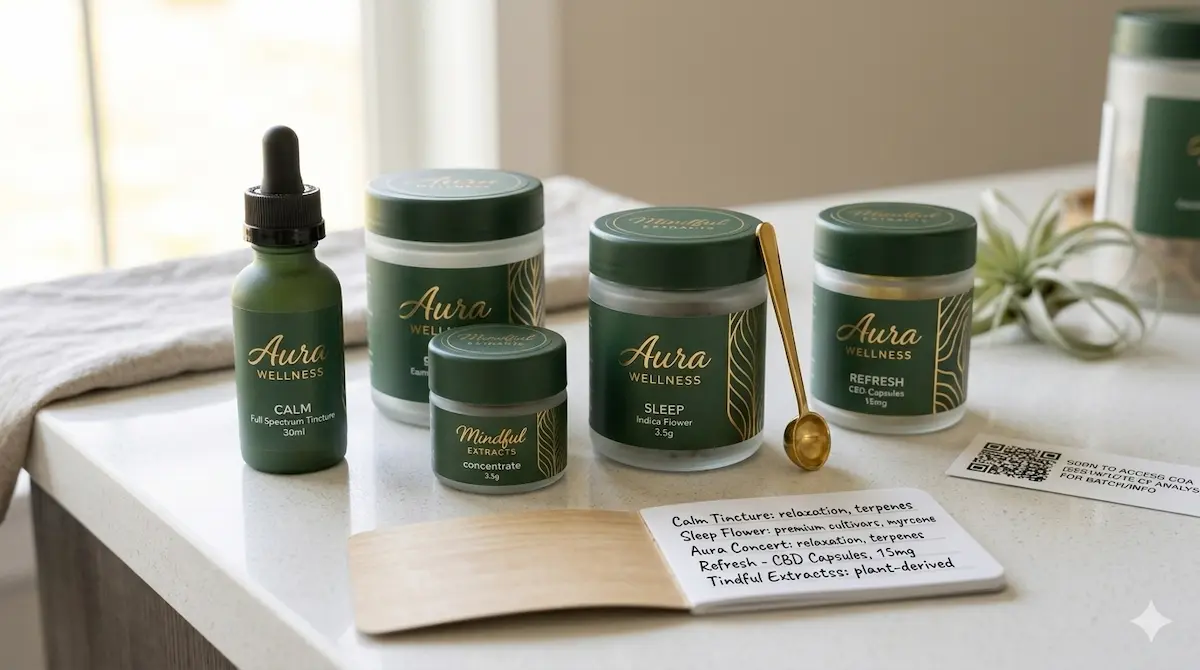
The rise of these brands is reshaping the entire market. It’s forcing larger companies to rethink their approach and pushing the industry toward a more sustainable, community-driven future. And honestly, it’s one of the most exciting developments I’ve seen in years.
FAQ — Real Questions We Hear Every Week at Moonrock Online Shop
1. Why are consumers in 2026 more focused on sourcing and transparency?
People finally understand how much variation exists between growers, batches, and handling practices. They’re not just buying a strain name anymore—they’re buying the story behind it. When customers ask about sourcing, they’re really asking whether the operator respects the plant and the process.
2. What makes THCA products so popular right now?
Most of the interest comes from curiosity and the desire for options. People want to explore different forms of cannabis without feeling overwhelmed. THCA has become a talking point because it sits at the intersection of novelty, legality, and consumer education.
3. Why are capsules becoming a preferred format for CBD?
Capsules offer predictability. People who use CBD regularly tend to prefer formats that don’t require measuring or adjusting. Capsules fit easily into morning or evening habits, which is why so many customers ask about consistency and timing.
4. What should customers look for in a product’s COA?
Most people want to confirm potency and see a clean contaminant panel. Others are interested in terpene breakdowns because they’re learning how those profiles shape their personal experience. The biggest thing is accessibility—if a COA is hard to find or confusing, customers usually take it as a red flag.
5. Why are smaller, boutique‑style brands gaining traction?
Because they feel real. Customers can sense when a brand is built by people who actually touch the product versus a corporation chasing shelf space. Boutique producers tend to highlight their process, their grow philosophy, and their community ties.
6. How should new consumers navigate the overwhelming number of product choices?
Start simple. Pick one category, one format, and one brand you trust. Then pay attention to how you feel and what you prefer. Consistency helps you understand your own preferences without getting lost in the noise.
7. What’s the biggest shift operators are feeling behind the scenes in 2026?
The pressure to be transparent. Customers expect honesty about sourcing, freshness, and handling. Operators who embrace that are thriving. Operators who hide behind marketing language are losing ground fast.
8. How can consumers support ethical cannabis businesses?
Buy from operators who show their work. Look for brands that share their cultivation practices, provide easy access to testing documents, and treat their community like partners instead of targets.
Finally | A More Informed, More Intentional Future
The cannabis landscape in 2026 feels like a turning point. Consumers are more informed, more intentional, and more vocal about what they want. They’re shaping the direction of the industry in real time, and operators who listen are thriving. Whether it’s the evolution of 2026 cannabis industry trends, the rapid expansion of THCA market growth, the practical conversations around CBD capsules dosing, the demand for transparent cannabis lab testing COA access, or the cultural rise of boutique cannabis brands, the message is clear: people want honesty, quality, and connection.
From where I stand at Moonrock Online Shop, the future looks promising—not because it’s easy, but because it’s real. The industry is maturing, the community is growing, and the standards are rising. And if we keep leaning into transparency and craft, we’ll build something that lasts far beyond the hype cycles.
The next chapter of cannabis belongs to the informed consumer and the operators who respect them. And that’s a future worth investing in.